
Born in Sapporo, Hokkaido, and raised in the satoyama landscapes of Moroyama, Saitama, surrounded by native woodlands, varied terrain, and agricultural fields.
During his university years, he worked as a photographer and later at a mountain hut on Mt. Chōgatake in the Northern Japanese Alps, where he was engaged in trail maintenance and mountain rescue operations. These experiences fostered a deep respect for the realities of working within natural environments.
He completed a Master’s degree at the Graduate School of Science and Technology, Keio University (Department of Biosciences and Informatics), conducting research in life sciences with a focus on the structural and growth mechanisms of living organisms.
After working in international sales at a trading company and gaining exposure to diverse urban environments around the world, he decided to pursue landscape practice. While continuing his professional career, he studied landscape design at Kyoto University of Art and Design.
He subsequently joined a public landscape company in Christchurch, New Zealand, where he worked across a broad range of environmental management projects in river corridors and public natural spaces. His responsibilities included native vegetation conservation, planting maintenance, and ecological restoration, providing hands-on experience in sustaining urban ecosystems.
Upon returning to Japan, he trained in traditional Japanese garden construction at Kanetsuna Landscape Office.
At Fuji Ueki Co., Ltd., he was involved in large-scale garden construction and site management, as well as the design and construction of temple and shrine gardens.
He is a certified Master Instructor of the Sogetsu School of Ikebana.
In 2019, he founded Ryoji Nakayama Landscape Design, offering integrated services from design and construction to environmental improvement, grounded in ecological understanding and Japanese spatial sensibility.
He is also involved in international sustainability certification processes, including SITES, as well as biodiversity and nature-positive initiatives. Through landscape, he seeks to create spaces that bring people closer to nature and foster a deeper relationship between people and the natural environment.
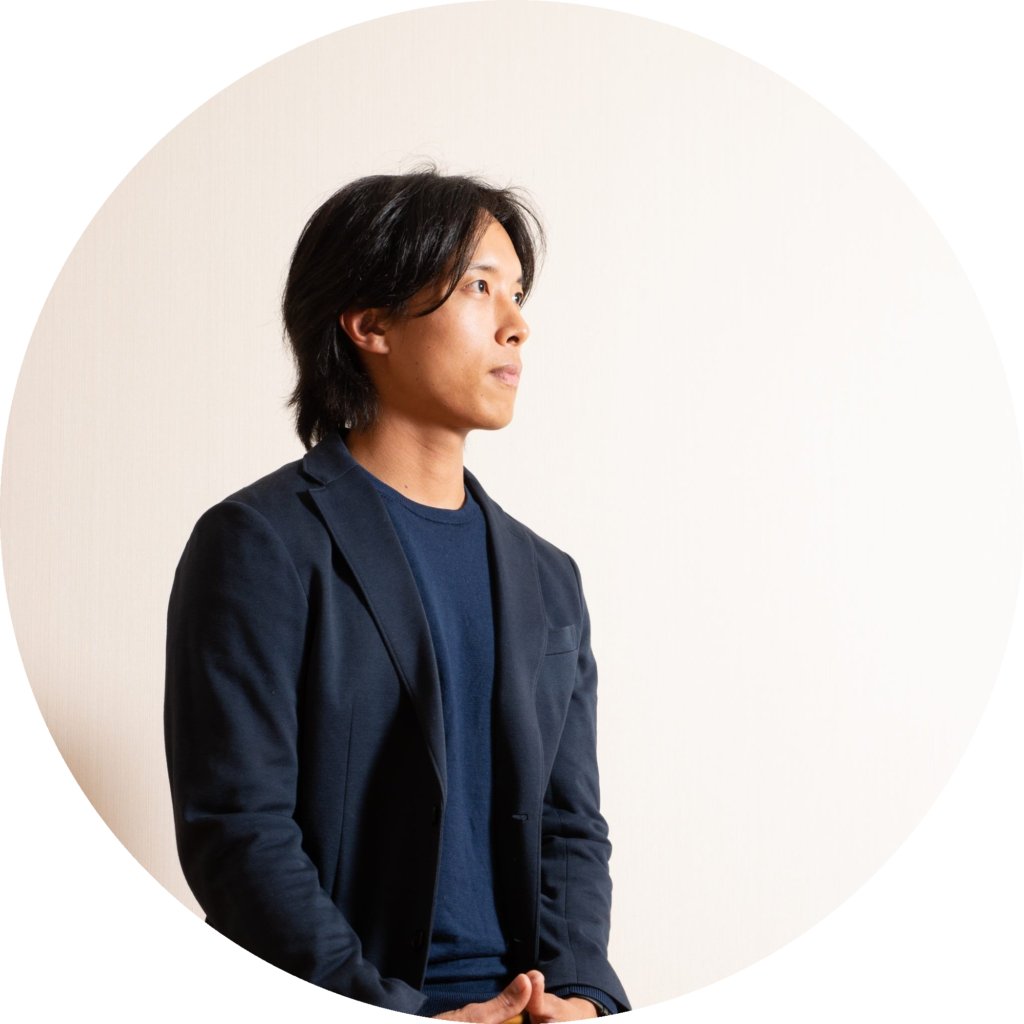
Ecological Landscape Designer
Ryoji Nakayama
Ryoji Nakayama Landscape Design
First-Class Landscape Construction Management Engineer | SITES AP | LEED AP: BD+C/ND